May 2025


The Center For Physician Education
CPE Values Banner

May 2025

Email Icon Our Promise Icon Teams Icon
Upcoming CME Events
Learning Opportunities Image
 

Mon, May 19, 2025

IU Health CME/CEU Virtual Learning Event: "Help, Health and Hope with IU Health Hospice"

Timothy Broach

Mary Nolan

Location: No Location

12:00 PM - 1:00 PM


Wed, May 21, 2025

Ball Medicine Grand Rounds: "Running on Empty: Recognizing & Managing RED-S in Adolescent Athletes" - By: Timothy Crull, MD

Location: IU Health Ball Memorial

7:30 AM - 9:00 AM


Thu, May 22, 2025

IU Health Risk Retention Group: AI - TBD

Jen Chmiel

Location: No Location

12:00 PM - 12:45 PM


Fri, May 30, 2025

IU Health Risk Retention Group Virtual Learning Event: "Smart, but Safe? The Promise and Peril of AI in Healthcare""

Tannier Wilburn

JD

Scott J. Shackelford

Location: No Location

12:00 PM - 1:00 PM


Tue, Jun 3, 2025

IU Health Risk Retention Group Virtual Learning Event: "Gender Affirming Care"

Kacie Kidd

MD

Location: Academic Health Center

12:00 PM - 1:00 PM


Thu, Jun 5, 2025

IU Health CME/CEU Virtual Learning Event: "LTAC-Next Level Care"

Sarah Strong

BSN

RN

CWON

Location: No Location

12:00 PM - 1:00 PM


Tue, Jun 10, 2025

IU Health Risk Retention Group Virtual Learning Event: "Procedures TBD - Patty Rupp"

Patty Rupp

Location: No Location

12:00 AM - 1:00 PM


Thu, Jun 12, 2025

Riley Error Prevention Training

Location: Riley Hospital

1:00 PM - 3:00 PM


Tue, Jun 17, 2025

Healthy Work Environment

Location: No Location

11:00 AM - 12:00 PM


Tue, Jun 17, 2025

IU Health Jay Hospital CME/CEU Learning Event - "IR @ IUH Ball" TBD

Jamison Wilson

Location: Jay County

12:00 PM - 1:00 PM


Thu, Jun 19, 2025

IU Health CME/CEU Virtual Learning Event - "Opioid Update on Patient-Centered Opioid Tapering"

Carol Dellinger

Location: No Location

12:00 PM - 1:00 PM


Tue, Jun 24, 2025

IU Health Virtual Learning Event: "Behavioral Health - TBD"

Leslie Hulvershorn

Location: No Location

12:00 PM - 1:00 PM


Tue, Jun 24, 2025

IU Health CME/CEU Virtual Learning Event: "CV Surgery Perioperative Approaches"

Lola Chabtini

Location: No Location

6:00 PM - 7:00 PM


To attend virtual events or add to your calendar visit
https://live.iuhcpe.org/

 
Announcements
Announcements image
 

New Post-fall order set in Cerner

The AAHC has seen an increase of unanticipated injuries related to falls in high-risk patients. The multi-disciplinary Falls Program Team is implementing an evidence-based post-fall order set. The order set will be initiated by providers to standardize post fall assessments and decrease harm related to falls with injury. Early evaluation of patient medical stability and mobility will decrease risk of mortality and has the potential to decrease length of stay related to early intervention. See here for details.


New Patient Preference added to PRN Pain Medications

As of April 28, to meet Joint Commission requirements for Patient Preference, a new ‘PRN Pain Meds and Patient Preference’ order will be automatically added to a patient’s chart when a PRN Pain Medication is ordered. See here for details.


PowerPlans added, revised or retired in April 2025

PowerPlans being added, revised or retired in April 2025 are listed here to ensure staff are using the most current version.

 
Clinical Council Updates
Clinical Council Updates image
 

Please click here to view the Clinical Council decisions and highlights for April and May. If you would like more details, please contact Daphne Bryant at dbryant11@iuhealth.org.

Reminder: New product requests, one-time use items, disposable items for capital equipment, and line extensions must be entered through IU Health’s new request platform Lumere (previously MedApproved).

 
SDOH Learning Series - #3 Utilities
SDOH Learning Series - #3 Utilities image
 

Why SDOH and specific HRSNs matter -

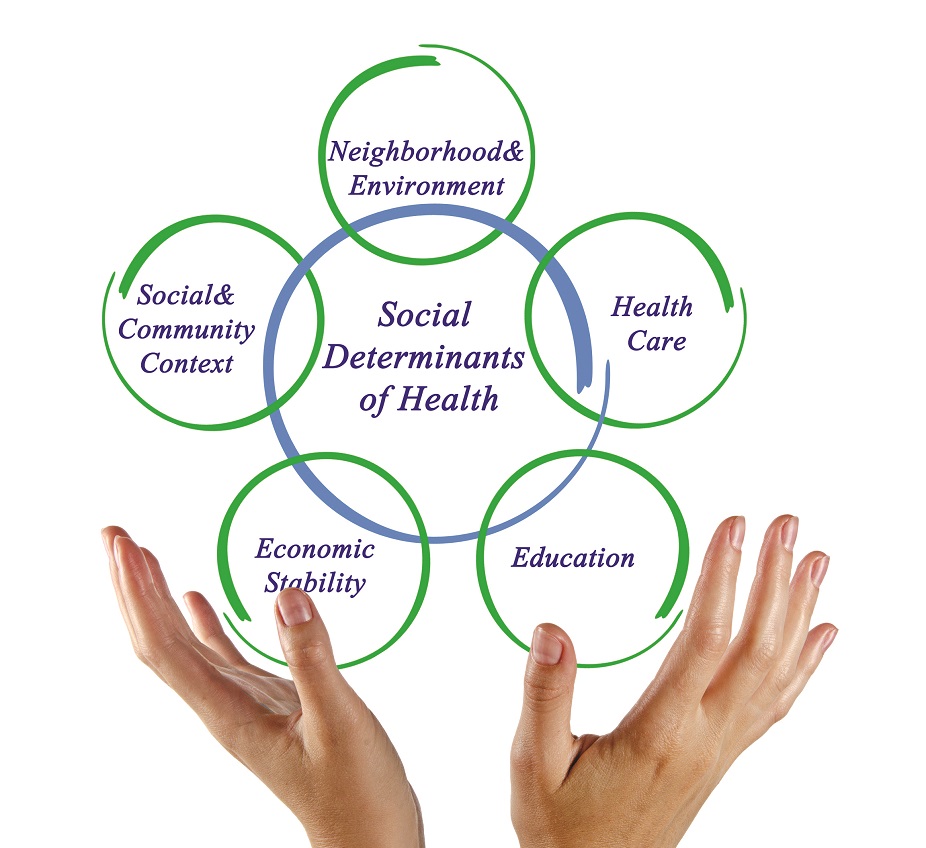
Social determinants of health (SDOH) are the non-medical factors that affect one’s overall health and well-being. Research indicates that 80% of one’s health is determined by SDOH factors, so screening and supporting these needs is critical to patient care. In tandem with patient care, there are several regulatory guidelines and rules that IU Health must report annually. 

Specific HRSN screening data -

The selected system screening tool is PRAPARE, or the Protocol for Responding to and Addressing Patients’ Assets, Risks, and Experiences. PRAPARE was chosen because it has been proven to be: 

  • Evidence-Based 

  • Comprehensive 

  • Embedded within Cerner 

  • Patient-Centered 

  • Action-Oriented 

  • Used by leading healthcare systems (Kaiser Permanente, Intermountain, John Hopkins, etc.) 

PRAPARE typically has 21 questions, but the IU Health PRAPARE screener includes 15 questions, and shortened to 5 questions in the inpatient setting.

The questions asked and ways in which patients are asked about their SDOH challenges vary across the system. However, IU Health focuses on the following factors:

  1. Transportation insecurity

  2. Housing insecurity & stability

  3. Utilities

  4. Food insecurity

  5. Interpersonal safety

Social Workers, Case Managers, Community Health Workers, and others are responsible for identifying, engaging, and referring patients to appropriate support. Providers are asked to be aware and informed that this work is going on within their patients.

Click here to view Utilities information.

 
Earn Free CME
Earn Free CME image
 

Use of Intravenous Albumin

Intravenous albumin is used in various clinical scenarios, such as volume resuscitation in hospitalized patients, complications of cirrhosis (ascites, SBP), and hypotension during dialysis.1 The goal of this guideline was to summarize the known benefits of intravenous albumin, and scenarios in which it is not helpful, to allow for judicious use of this therapy.1

Click here to view article and earn CME.


Primary Care Behavioral Counseling Interventions to Support Breastfeeding

The association between breastfeeding and health benefits in children has been previously well established; health benefits have also been found for women who breastfeed. However, breastfeeding rates in the US are relatively modest; as of 2021, 59.8% of infants at age 6 months are breastfed and 27.2% of infants at that age are exclusively breastfed.

The US Preventive Services Task Force (USPSTF) commissioned a systematic review to evaluate the evidence on the benefits and harms of primary care behavioral counseling interventions to support breastfeeding.

Click here to view article and earn CME.


Long-Term Risk of Stroke After Transient Ischemic Attack or Minor Stroke

A transient ischemic attack (TIA) or minor stroke is a critical warning event that provides an opportunity to prevent a more severe stroke.1 Research and clinical practice have primarily focused on secondary stroke prevention in the first 90 days after a TIA or minor stroke2-5 because the risk of a subsequent stroke is high during this period, with estimates reaching 17.3% after a TIA6 and 10.6% after a minor stroke.7 Modern secondary prevention strategies, including prompt diagnostic evaluation, early initiation of dual antiplatelet therapy for 21 to 90 days, and management of vascular risk factors, have been effective in reducing stroke risk in the short-term.8-11 However, the long-term prognosis of these patients is not well-defined.

Click here to view article and earn CME.


If you have questions or want to submit news to be included in this publication, email us.

Click here to unsubscribe
 
 
IU Health Logo The Center for Physician Education Logo
 

Contact Us

Other

    The Office of Clinical Education

  • Phone: (317) 962-5048

  • Email: OCE@iuhealth.org